
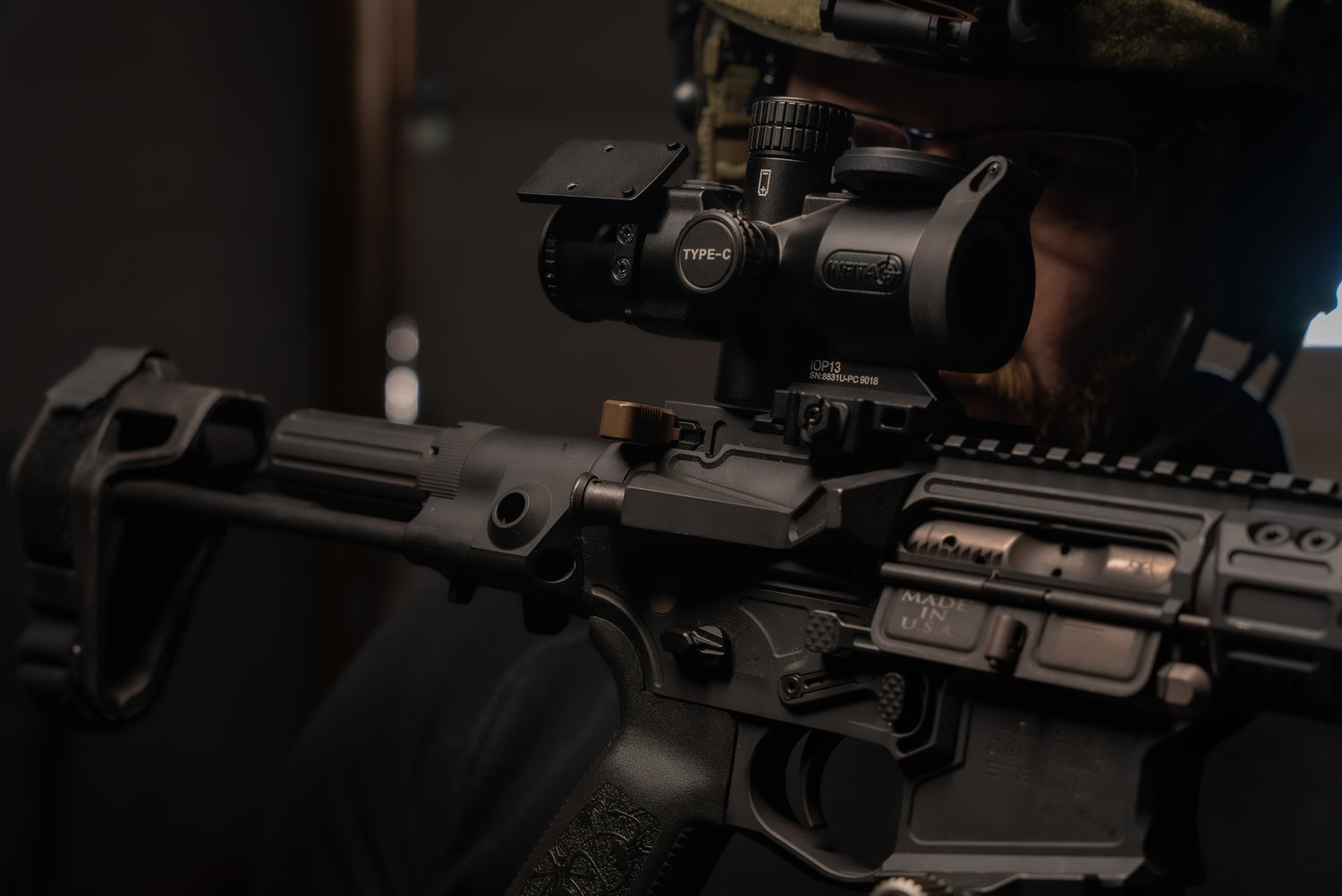
Fast close-range use puts pressure on a thermal rifle sight. The image needs to stay open enough for quick scanning, clear enough for fast visual checks, and comfortable enough for repeated use. That is why field of view, base magnification, image smoothness, size, and day-to-day usability all matter when choosing a thermal rifle sight for close-range use.
What Makes a Thermal Rifle Sight Better for Fast Close-Range Use
At close range, targets can appear suddenly and move quickly. In that setting, a thermal rifle sight should help the user to scan efficiently, keep the image easy to read, and stay manageable through repeated use.
Core Factors to Check First
| Factor | Why It Matters in Close-Range Use |
|---|---|
| Field of view | Determines visible area |
| Base magnification | Affects image scale and viewing comfort |
| Frame rate | Helps the image stay smoother during panning |
| Sensor resolution | Supports scene detail and overall clarity |
| Display quality | Improves readability |
| Size and weight | Affects handling comfort and ease of carry |
| Battery system | Shapes runtime and overall convenience |
This is also why close-range focused products often combine a wider field of view, lower base magnification, and a more compact form. The INFITAC IOP13 follows that same approach, with a configuration aimed at quicker scanning, a more open view, and greater flexibility in close-range use.

Thermal Rifle Sights IOTS IOP13
Why Field of View and Base Magnification Matter in Close-Range Use
Field of view and base magnification have a direct effect on how the image feels. In close-range use, that matters right away because the user often needs to scan quickly, check more than one point, and keep the scene organized.
How Field of View Affects Scanning
A wide field of view makes it easier to keep more of the surroundings visible. That helps when movement appears near the edge of the image or when several warm areas need to be checked within a short span. Less panning is usually needed, so scanning feels smoother and more controlled.
This is especially useful in mixed environments where the scene is busy. A broader view keeps more of the scene visible at once, reducing the need to pan constantly.
What Base Magnification Changes in Actual Use
Base magnification affects how large the scene appears and how much space remains around the main point of interest. Higher starting magnification can make one area appear larger, but it also narrows the field of view. At close range, this can make the image feel tighter and less forgiving during quick use.
Lower base magnification provides the shooter with a larger working area. The scene stays open, and nearby details remain easier to follow without constant readjustment. At close range, the wider view from lower base magnification helps when movement happens fast. The wider view from lower base magnification also allows the shooter to shift attention quickly between different points.
How These Two Specs Shape Close-Range Viewing
In thermal imaging devices with the same sensor size, a lower base magnification typically results from a shorter focal length, which in turn delivers a wider field of view. Together, they make a thermal rifle sight easier to use in close-range routines.
This is also why the IOP13 makes sense. A 1.5x base magnification paired with a 13.5° × 10.1° field of view reflects a configuration aimed at quicker scanning and a more open close-range view.

Faster Scanning, Quicker Detection, and Smoother Visual Transitions
Close-range use usually follows a simple sequence: scan the area, check a point of interest, then move on to the next part of the scene. A thermal rifle sight needs to support all three steps without becoming tiring or difficult to manage over repeated use.
Scanning Needs an Image That Stays Easy to Read
The scanning stage comes first, so the optic has to make visual searching feel natural. If the image feels cramped or unstable, repeated passes across the scene become slower and more tiring. A thermal rifle sight built for this kind of use should stay readable during normal movement and short, frequent checks.
A broad field of view helps here because it keeps the scene open. That reduces unnecessary corrections and makes it easier to search the environment in a controlled way.
Detection Depends on Image Stability
Once the user notices a warm area or a point of interest, image smoothness becomes important. This is when frame rate matters. A smoother image is easier to follow during panning, so the user can focus on reading the scene rather than waiting for the image to catch up.
Transitions Require Less Movement
Users often switch from one target to the next during close-range shooting. During the transition, the next target may fall outside the visible area. A narrow field of view forces more frequent rifle movement to locate the next target. Extra movement adds to handling effort and slows the pace of the overall shooting sequence. A wider field of view makes the next target easier to pick up with less adjustment.
Compact Size, Mounting Flexibility, and Multi-Purpose Use
Size and flexibility can have a big effect on daily usability. A close-range thermal device is often used in changing settings, brief sessions, or routines that require movement between locations. In those situations, compact design becomes a practical advantage.
Why Compact Size Helps in Everyday Use
A smaller unit is usually easier to carry, easier to position, and easier to store. That matters during repeated use because comfort is part of the overall experience. A compact optic feels more convenient in the field and less demanding during handheld use.
Why Flexibility Adds Long-Term Value
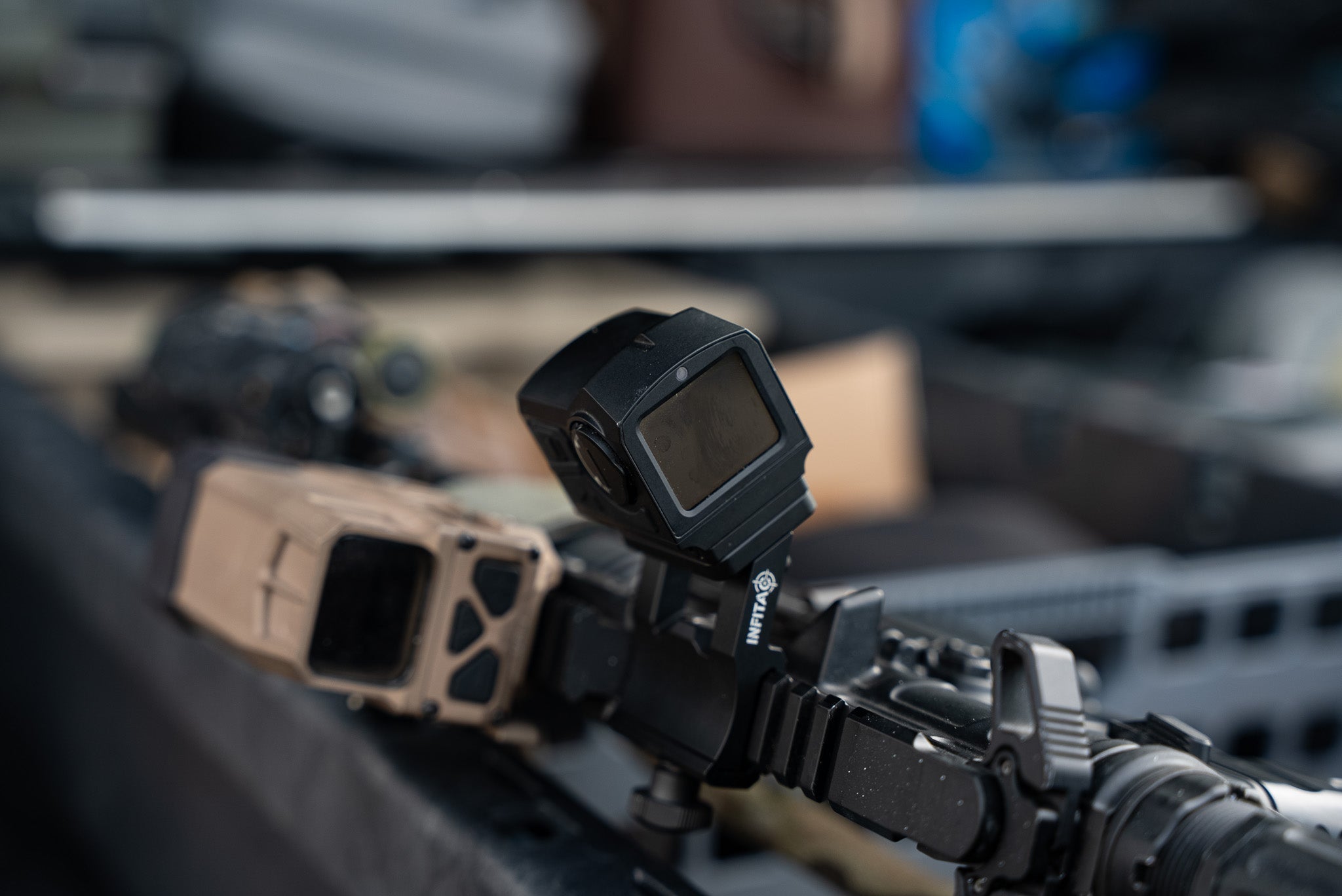
Some users prefer handheld observation. Others want a device that can support more than one setup. Flexible use modes add value because they allow the same product to stay useful across different routines.
Common use modes include:
- Handheld use for quick scanning and short observation
- Mounted use on various platforms
- Clip-On style use in existing systems
- Alternate positioning in setups that need faster switching between views
Supporting multiple use modes means one device can cover more than one role over time.

What Budget-Conscious Buyers Should Prioritize in a Thermal Rifle Sight
For shooters on a limited budget, low price does not mean low value. Prioritize the features that directly affect the viewing experience first, then consider additional functions once the core requirements are met.
Start With the Viewing Experience
Sensor resolution, field of view, base magnification, image smoothness, and general readability should come first. These are the features that define the image every time the optic is used. If they do not fit the job, extra features will not fix the bad experience.
Then Check the Everyday Practicality
Battery type, runtime, size, display quality, and general usability come next. These factors affect how often the optic is ready to use and how comfortable it feels across longer sessions. Storage and recording features can also be useful, but they should come after the basics are covered.
Choose a Thermal Rifle Sight That Fits Your Usual Use Routine
The right thermal rifle sight should match the way you actually use it. Start with sensor resolution, field of view, base magnification, image smoothness, and handling comfort. Then look at size, flexibility, and battery support. The INFITAC IOP13 is a strong option for users looking for a multi-function device and a more accessible close-range solution.
FAQs About Thermal Rifle Sights for Close-Range Use
Q1. Can a thermal rifle sight be used in full daylight?
Yes. A thermal rifle sight detects heat, so it works in daylight as well as at night. Avoid pointing the device directly at the sun or other intense heat sources, as this can permanently damage the thermal sensor.
Q2. Can a thermal rifle sight see through glass?
No. Most thermal rifle sights cannot see through standard glass, as its surface usually blocks or distorts thermal information, so the image will not show heat details clearly.
Q3. Do eyeglass wearers need a special thermal rifle sight?
No. Most users can use a thermal rifle sight with glasses, but eye relief and diopter adjustment matter. A poor fit can make viewing less comfortable over time.
Q4. Does rain or heavy humidity affect thermal image quality?
Yes. Rain, fog, and heavy humidity can reduce contrast and make heat signatures harder to separate from the background, especially at longer viewing distances.


Leave a comment
All comments are moderated before being published.
This site is protected by hCaptcha and the hCaptcha Privacy Policy and Terms of Service apply.